
The world is in constant flux, and one of the most significant forces shaping our future is demographic change. From aging populations in developed nations to rapid population growth in developing countries, these shifts have profound implications for global economies. Understanding these trends is crucial for businesses, policymakers, and individuals alike to prepare for the challenges and opportunities that lie ahead.
Key Takeaways:
- Demographic change, particularly aging populations, can strain social security systems and healthcare resources.
- Changes in birth rates and migration patterns impact the size and skill set of the labor force, influencing economic growth.
- Nations need to adapt their policies to address the challenges and capitalize on the opportunities presented by shifting demographics.
How Does Aging Population Influence Economic Growth?
One of the most pressing aspects of demographic change is the aging of populations in many developed countries. As birth rates decline and life expectancy increases, the proportion of older adults grows relative to the working-age population. This can lead to a shrinking labor force, reduced productivity, and slower economic growth. For example, Japan, with one of the oldest populations globally, faces significant challenges in maintaining its economic competitiveness due to a shortage of younger workers and the burden of supporting a large elderly population.
Furthermore, aging populations often require increased government spending on healthcare, pensions, and other social services. This can put a strain on public finances and potentially lead to higher taxes or cuts in other essential programs. Countries like Germany and the United Kingdom (gb) are grappling with these issues and exploring policy solutions such as raising the retirement age, encouraging immigration of skilled workers, and promoting longer working lives.
What Role do Birth Rates Play in Shaping Economies?
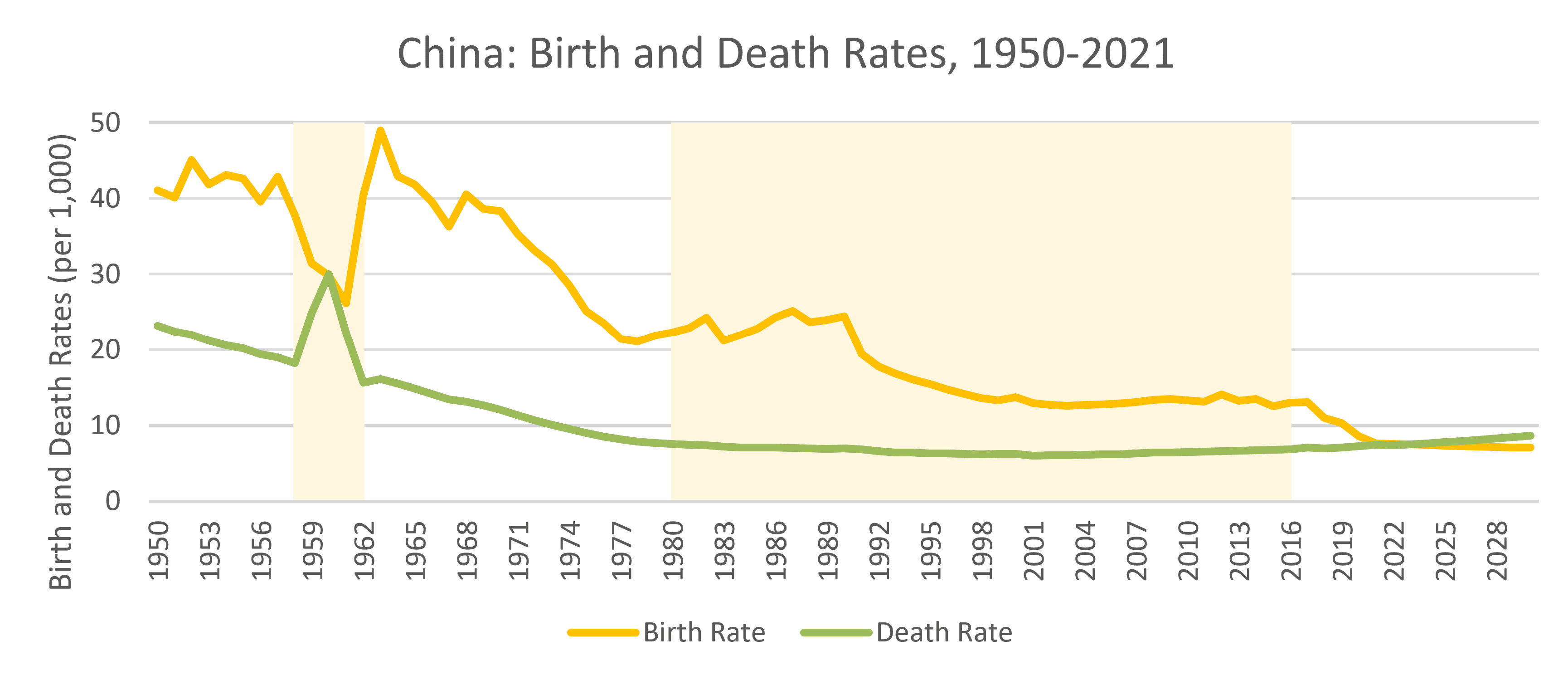
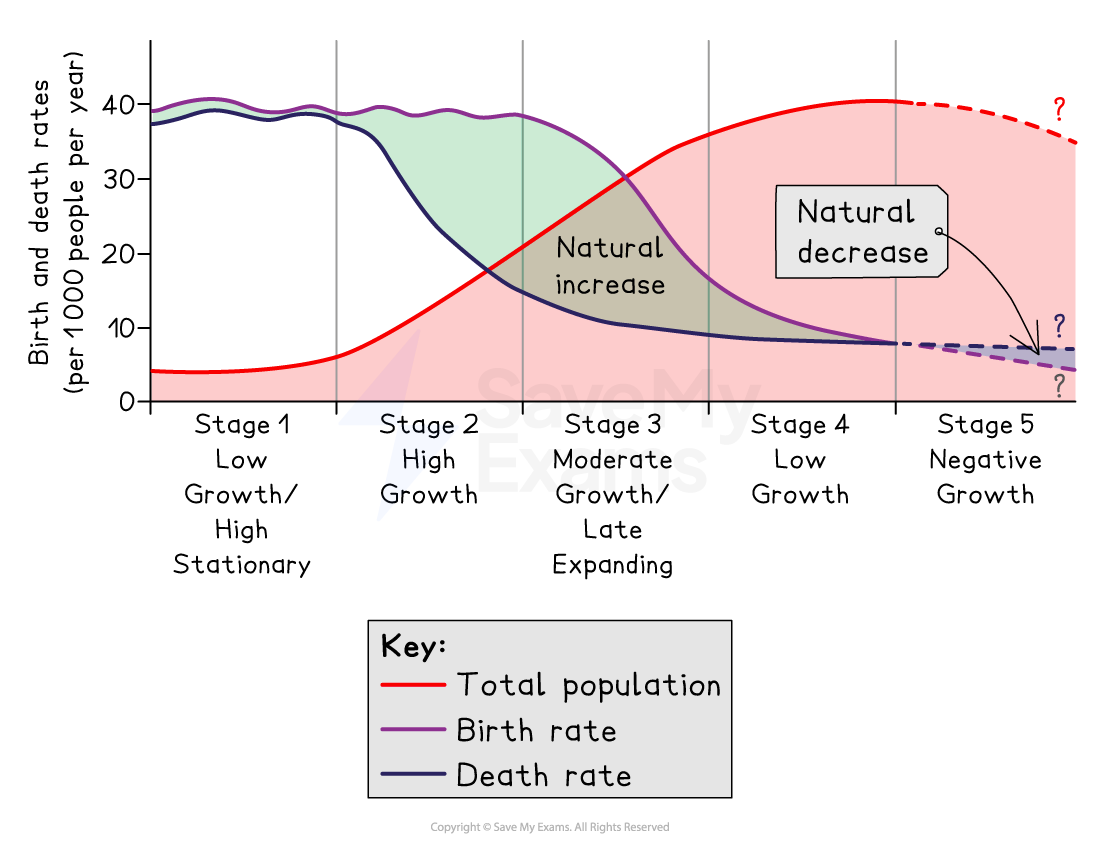
Declining birth rates are closely linked to the issue of aging populations. When fewer children are born, the future workforce shrinks, impacting long-term economic growth. This trend is evident in many European countries, where low birth rates have contributed to concerns about future labor shortages and economic stagnation. Governments are experimenting with various policies to encourage higher birth rates, including offering childcare subsidies, parental leave benefits, and financial incentives for families. However, the effectiveness of these measures is often debated, and cultural shifts regarding family size and career aspirations play a significant role.
On the other hand, in some developing countries, high birth rates can strain resources and infrastructure. Rapid population growth can lead to challenges in providing education, healthcare, and employment opportunities for the growing population. This can perpetuate poverty and hinder economic development.
How Does Migration Impact the Labor Force and Innovation?
Migration is a crucial factor in offsetting the effects of declining birth rates and aging populations. Immigrants often bring valuable skills and contribute to the labor force, filling gaps in industries facing labor shortages. For instance, many European countries rely on immigration to maintain a skilled workforce in sectors such as healthcare, technology, and agriculture. Migration can also stimulate innovation and entrepreneurship, as immigrants often bring new ideas and perspectives. The positive impact of immigration on the economy is a complex and often politically charged issue. It relies on effective integration policies that ensure immigrants can access education, healthcare, and employment opportunities.
However, migration can also present challenges. It can strain social services, lead to concerns about cultural integration, and potentially depress wages in some sectors. Managing migration flows effectively and ensuring that immigrants are integrated into the workforce and society is crucial for maximizing the economic benefits.
What Strategies Can Countries Adopt to Address Demographic Challenges?
Addressing the economic challenges posed by demographic change requires a multi-faceted approach. Some strategies that countries are considering include:
- Investing in education and training: Equipping workers with the skills needed for the future economy can help boost productivity and competitiveness, regardless of age.
- Reforming pension systems: Raising the retirement age, encouraging private savings, and adjusting benefit levels can help ensure the sustainability of pension systems in the face of aging populations.
- Promoting healthy aging: Investing in preventive healthcare and encouraging healthy lifestyles can help older adults remain active and productive for longer.
- Creating age-friendly workplaces: Adapting workplaces to accommodate older workers can help retain experienced employees and promote intergenerational collaboration.
- Encouraging innovation and technological adoption: Investing in research and development and promoting the adoption of new technologies can help boost productivity and offset the effects of a shrinking workforce.
By proactively addressing the challenges and opportunities presented by demographic change, countries can build more resilient and prosperous economies for the future.


