
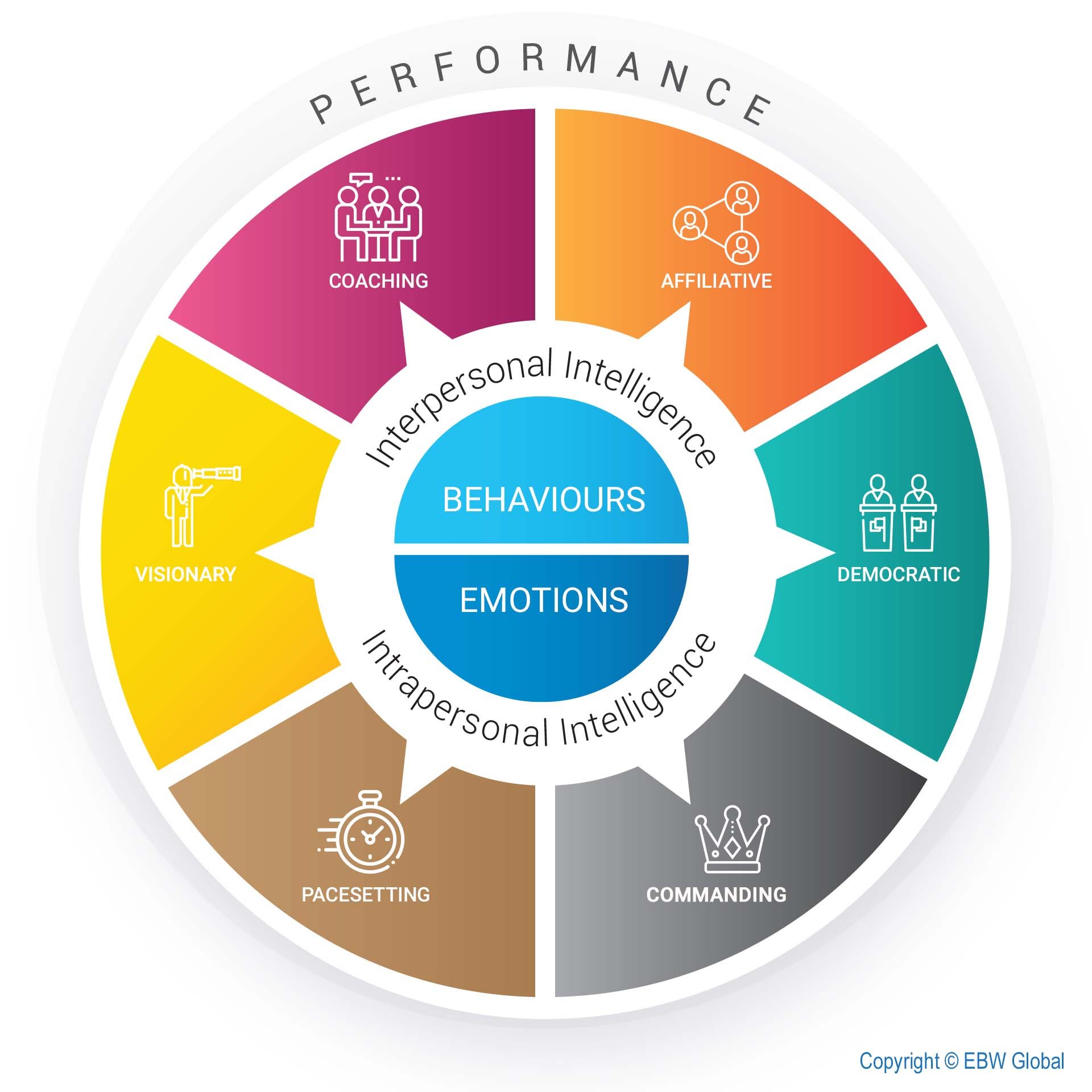
Why Emotional Intelligence Matters in Leadership
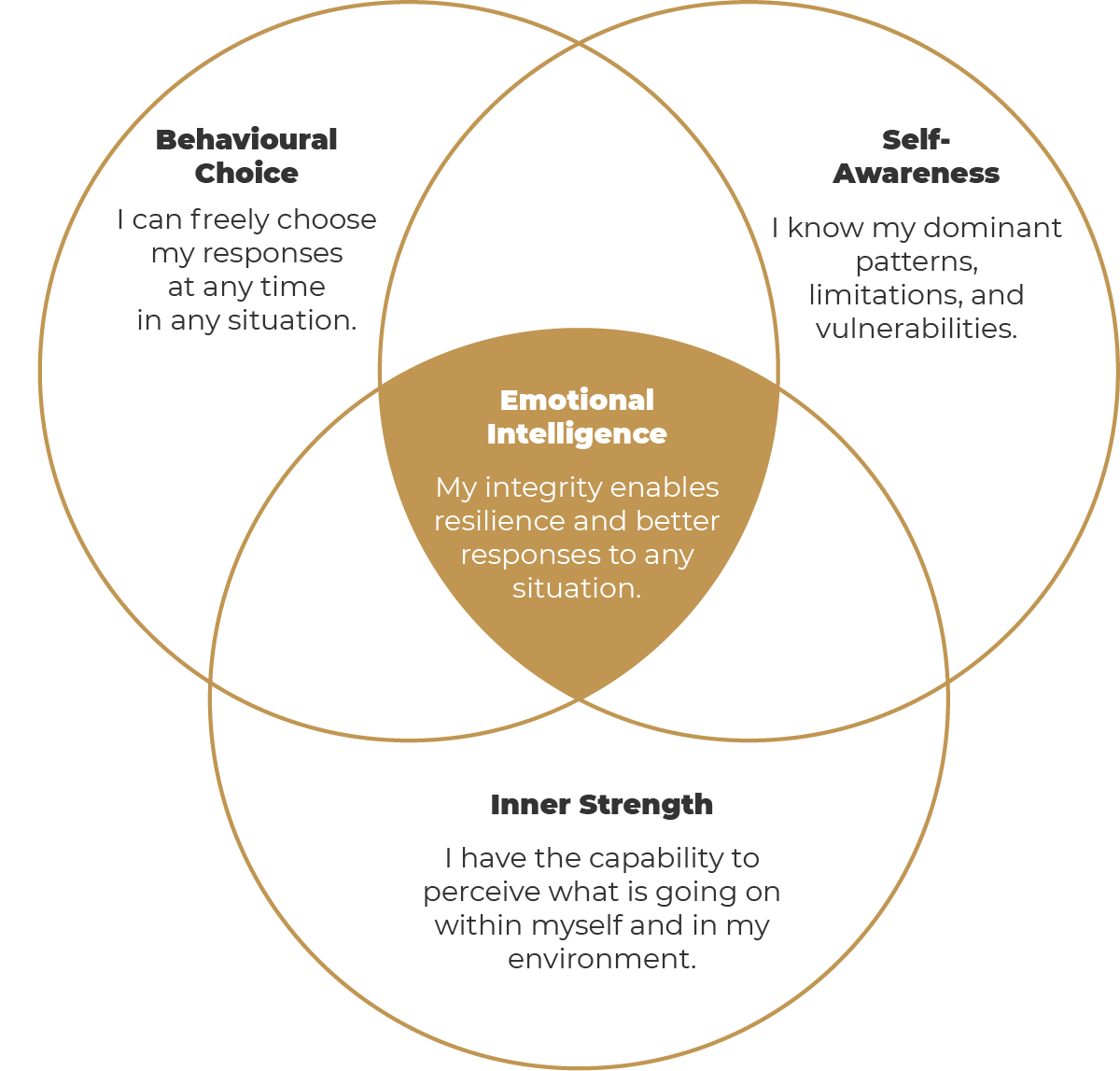
In today’s complex and rapidly changing business environment, traditional leadership skills are no longer enough. Leaders need something more: emotional intelligence. Often referred to as EQ, emotional intelligence is the ability to understand and manage your own emotions, as well as recognize and influence the emotions of those around you. This capability is foundational for building strong relationships, fostering collaboration, and achieving organizational goals. Without it, leaders risk creating toxic work environments, hindering productivity, and ultimately, failing to inspire their teams. Emotional intelligence isn’t just a “nice-to-have” skill; it’s a core competency for effective leadership in the 21st century.
Key Takeaways:
- Emotional intelligence is crucial for building strong relationships and fostering collaboration within teams.
- Leaders with high EQ can better understand and manage their own emotions and those of their team members, leading to improved communication and productivity.
- Emotional leadership contributes to a more positive and supportive work environment, which can boost employee morale and retention.
- Developing emotional intelligence is an ongoing process that requires self-awareness, empathy, and a commitment to personal growth.
Understanding the Significance of Emotional Leadership
The importance of emotional intelligence in leadership stems from the fundamental human need for connection and understanding. People are more likely to be motivated, engaged, and loyal when they feel valued and understood. Leaders who demonstrate empathy, self-awareness, and strong social skills are better equipped to create this kind of environment.
Consider a leader who consistently dismisses their team’s concerns or struggles. This leader, lacking in emotional intelligence, is likely to create a climate of fear and resentment. Employees will be hesitant to share their ideas, voice their concerns, or take risks, ultimately stifling innovation and productivity. On the other hand, a leader who actively listens, acknowledges their team’s emotions, and provides support is likely to foster a culture of trust and collaboration. This type of leader inspires their team to perform at their best, knowing that their contributions are valued and their well-being is a priority.
How Emotional Leadership Fosters Stronger Teams
Emotional leadership directly impacts team dynamics. Emotionally intelligent leaders can:
- Build Trust: By demonstrating empathy and understanding, leaders can create a safe space for team members to be vulnerable and share their thoughts and feelings. This, in turn, fosters trust and strengthens relationships within the team.
- Improve Communication: Leaders with high EQ are better at communicating effectively, both verbally and nonverbally. They are able to articulate their vision clearly, listen actively to their team members, and provide constructive feedback.
- Resolve Conflicts: Emotionally intelligent leaders can effectively resolve conflicts by understanding the underlying emotions and perspectives of all parties involved. They can facilitate open and honest communication, helping team members find common ground and reach mutually agreeable solutions.
- Boost Morale: By recognizing and celebrating team members’ achievements, providing support during challenging times, and creating a positive work environment, leaders can boost morale and increase job satisfaction.
These actions lead to a more cohesive, productive, and engaged team. The effects ripple outwards, enhancing overall organizational performance and contributing to a healthier, more sustainable work culture. Imagine the tangible business (gb) benefits: reduced turnover, increased innovation, and improved customer satisfaction, all stemming from the foundation of emotionally intelligent leadership.
The Impact of Emotional Leadership on Communication
Effective communication is the lifeblood of any successful organization, and emotional leadership is the key to unlocking its full potential. Leaders with strong emotional intelligence can:
- Listen Actively: They don’t just hear the words being spoken; they pay attention to the underlying emotions and nonverbal cues. This allows them to understand the message being conveyed on a deeper level and respond in a more meaningful way.
- Communicate Clearly and Concisely: They are able to articulate their ideas and expectations in a way that is easy for others to understand. They avoid using jargon or technical terms that may confuse or alienate their audience.
- Provide Constructive Feedback: They offer feedback that is specific, timely, and focused on behavior rather than personality. They also deliver feedback in a way that is respectful and supportive, helping team members improve their performance without feeling criticized or attacked.
- Adapt Their Communication Style: They recognize that different people have different communication preferences and adapt their style accordingly. They are able to communicate effectively with individuals from diverse backgrounds and with varying levels of experience.
This promotes a culture of open and honest dialogue, where team members feel comfortable sharing their ideas, voicing their concerns, and challenging the status quo. This, in turn, leads to better decision-making, increased innovation, and improved overall performance.
Developing Your Own Emotional Leadership Skills
Emotional intelligence is not an innate trait; it’s a skill that can be developed and honed over time. Here are some practical steps you can take to cultivate your own emotional leadership abilities:
- Practice Self-Awareness: Take time to reflect on your own emotions, triggers, and reactions. Keep a journal, ask for feedback from trusted colleagues, or consider taking a self-assessment test. Understanding your own emotional landscape is the first step towards managing your emotions effectively.
- Cultivate Empathy: Make a conscious effort to understand the perspectives and emotions of others. Practice active listening, ask clarifying questions, and try to see things from their point of view. Even if you don’t agree with someone’s perspective, you can still acknowledge their feelings.
- Improve Your Social Skills: Work on building stronger relationships with your team members. Take the time to get to know them personally, show genuine interest in their lives, and offer support when they need it. Practice effective communication skills, such as active listening, clear articulation, and constructive feedback.
- Seek Feedback and Coaching: Ask for feedback from trusted colleagues, mentors, or coaches on your emotional intelligence skills. Be open to receiving constructive criticism and willing to make changes based on the feedback you receive. Consider working with a coach who specializes in emotional intelligence development.
Developing emotional intelligence is an ongoing journey, not a destination. Be patient with yourself, celebrate your progress, and continue to learn and grow. The rewards of becoming an emotionally intelligent leader are well worth the effort, leading to stronger relationships, more productive teams, and a more fulfilling career.


